Those of you who have been following this space know that I have been reporting on new drug and device treatments for wet age-related macular degeneration for the past several years. I haven’t paid much attention to the treatments under development for the dry form, basically because most are drug-related, and my knowledge of how drugs work is limited. However, I recently read an excellent overview of the new drugs that are being developed for dry AMD, written by Dr. Philip Rosenfeld (the father of Avastin for use in AMD) and John Legarreta, a medical student at State University of New York at Buffalo, which presents a clear picture of current developments in this important field.I have previously written about the potential for the use of lasers to treat dry AMD by Iridex, but that attempt did not prove successful. I have also written about the Ellex 2RT (retinal regeneration) program that might hold potential in the early intervention in dry AMD. Links to both of these writeups are shown at the end of this posting.With about 80% to 90% of newly diagnosed AMD cases being of the dry variety, and with no effective treatment currently in use, it is important to track the developmental work underway in this area. This review appeared in the November 2009 issue of Retinal Physician, and with the permission of the magazines publishers, here is the complete writeup:Preclinical and Phase 1 Drugs in Development for Dry AMD: An OverviewRetinal Physician, November 2009
Philip J. Rosenfeld, MD, PhD ● John Legaretta, BFA
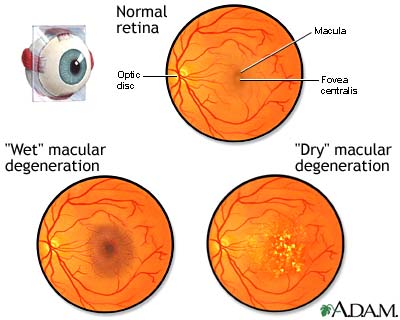
Philip J. Rosenfeld, MD, PhD, is professor of ophthalmology at the Bascom Palmer Eye Institute at the University of Miami Miller School of Medicine in Florida. He receives significant research support from Potentia and Alexion, and he has a minimal advisory relationship with Potentia. John Legarreta, BFA, is a medical student at the School of Medicine and Biomedical Sciences, State University of New York at Buffalo. He has no financial interest in any products mentioned in this article. Dr. Rosenfeld can be reached at prosenfeld@med.miami.edu.The vast majority of AMD patients have the nonexudative or dry form of the disease, characterized by a constellation of clinical features, including drusen, disturbances of the retinal pigment epithelium (pigment clumping and/or dropout), and geographic atrophy (GA) of the macula. As defined by the Age-Related Eye Disease Study (AREDS), the severity of AMD can be classified into three categories: early, intermediate, and advanced.
[Editors Note: For a breakdown on the number of people in the three categories noted above in both dry and wet AMD in 2007, as estimated by
Market Scope, please see the link to the table shown at the end of this posting.]
While drusen alone, particularly those of smaller size, do not seem to be associated with vision loss, at least one large druse measuring 125 μm in diameter is sufficient for the diagnosis of intermediate AMD. Dry AMD may remain static or progress slowly to produce a greater number and distribution of drusen with areas of GA. The increase in size or area of drusen or pigment abnormalities (focal hyper- or hypopigmentation of the retinal pigment epithelium [RPE]) predicts the likelihood of developing vision-threatening lesions in AMD, which include central GA and neovascularization, the advanced forms of AMD.(1)
CURRENT TREATMENT OPTIONS FOR DRY AMDAntiangiogenic therapies have been developed to treat wet AMD. While drugs such as ranibizumab (Lucentis, Genentech) and bevacizumab (Avastin, Genentech) have revolutionized the care of patients with neovascular AMD, under the best of circumstances, treatment converts the neovascular form of AMD back to dry AMD. There is no evidence to suggest that these antiangiogenic drugs have any beneficial effect on the underlying degenerative process known as dry AMD. Currently, there is no proven drug treatment for dry AMD; however, the cessation of smoking and treatments based on nutritional recommendations and supplements can slow disease progression. Nutrient-based treatments for AMD were evaluated in the AREDS trial.(2)
TARGETING THE CAUSE OF AMDThe overall goal of treatment for dry AMD is to target the underlying cause of the disease and halt, or at least slow, the loss of vision. This approach has been hampered by two major issues. First, there are no reliable in vitro systems for testing the efficacy of any drug for dry AMD, and second, no true animal model exists for AMD. A well-developed macula is only found in primates and birds, and while numerous attempts have been made to develop nonprimate models for AMD, and these models highlight various pathological features of human AMD, none of these animal models truly replicates the disease process seen in humans. The only model that may be useful for potential drug testing is the naturally occurring monkey colonies that have been found to develop drusen.(3)
The second issue that has hampered drug development is the uncertainty surrounding the best molecular pathway to target for the treatment of dry AMD. However, several different strategies have evolved. These strategies have targeted three major therapeutic areas of investigation: preservation of photoreceptors and the RPE (neuroprotection), prevention of oxidative damage, and suppression of inflammation. Each strategy is supported by varying degrees of scientific evidence and will have to await validation based on clinical trial outcomes.
CLINICAL TRIAL ENDPOINTS IN DRY AMDThe most obvious study endpoint for dry AMD therapies would be the preservation of visual acuity; however, studies using visual acuity as an endpoint will take many years to complete. To decrease the time required to show a benefit from a drug, surrogate endpoints have been developed that might indicate a positive outcome without waiting the years required to show visual acuity benefit.
One surrogate endpoint is the prevention of disease progression from dry to wet AMD. This endpoint was first used in the study investigating anecortave acetate (Retaane, Alcon) for the treatment of dry AMD. While the drug failed to prevent progression of dry to wet AMD, the study demonstrated the feasibility of this study design. Another strategy is to assume that a treatment for dry AMD might also affect the underlying stimulus for neovascularization in wet AMD. If true, then a potential endpoint might be to demonstrate that a drug for dry AMD is able to decrease the need for retreatment with antiangiogenic therapy in wet AMD or improve the visual acuity outcome. This study design has not been tested.
A feature of dry AMD that could serve as a surrogate endpoint is the area of drusen in the macula. While drusen area as measured by fundus photography has already been explored as an endpoint in the failed laser-to-drusen trials, (4-6) the change in drusen volume in response to pharmacotherapy is a novel clinical trial endpoint that has not been explored previously. Spectral-domain optical coherence tomography has the potential to reliably and reproducibly identify drusen in the macula and provide truly automated volume quantification. The most likely surrogate clinical trial endpoint, based on a symposium held in Washington, DC, and sponsored by the National Eye Institute and the Food and Drug Administration, is an endpoint that assesses a drug’s effects on the growth of GA, since GA is a feature of dry AMD that directly causes loss of photoreceptors and the RPE. (7)
DRUGS TO PROMOTE SURVIVAL OF PHOTORECEPTORS AND THE RPENo matter what the underlying cause of AMD, drugs that can preserve viable photoreceptors and maintain the RPE should preserve vision. One strategy to promote survival of photoreceptors and the RPE is to protect cells against ischemia and improve the choroidal circulation in patients with dry AMD. Two studies are currently using this strategy. In Europe, an ongoing multicenter, randomized, placebo-controlled study is investigating the use of an offlabel, generic drug known as trimetazidine (Vastarel MR, 35 mg tablet), a drug currently used for the treatment of angina pectoris. Trimetazidine improves myocardial glucose utilization by stopping fatty acid metabolism, and it is considered to have cytoprotective effects in ischemic conditions. Other uses for this drug include the treatment of vertigo, tinnitus, and vision loss and visual field loss due to vascular causes. The primary goal of this study is to slow the conversion of dry AMD to wet AMD.
Another drug being investigated for its vasodilatory effect is Alprostadil, also known as prostaglandin E1 (PGE1). The presumed rationale is based on the belief that improved circulation would slow the progression of AMD. This multicenter, randomized, placebo-controlled study is ongoing in Europe.
Another strategy to preserve the macular function is to prevent apoptosis by using neuroprotective agents. Ciliary neurotrophic factor (CNTF), a potent neuroprotective agent, has been shown to inhibit photoreceptor apoptosis in an animal model of retinal degeneration (8) and is being investigated as a treatment for dry AMD. Using encapsulated cell technology that permits CNTF-producing transfected cells to be implanted into the vitreous cavity, Neurotech Pharmaceuticals (Lincoln, RI) has developed a sustained-release platform that produces CNTF for a year or longer. The phase 2 study is completed and data analysis is currently under way. Other neuroprotective agents currently under investigation for dry AMD include a brimonidine tartrate intravitreal implant (Allergan, Irvine, CA) and topical tandospirone (Alcon, Fort Worth, TX).
Yet another strategy is to interfere with the normal visual cycle and preserve vision by decreasing the accumulation of toxic metabolites, such as lipofuscin and the retinal fluorophore A2E. This strategy is being pursued by Sirion Therapeutics (Tampa, FL) with the use of fenretinide - N-(4-hydroxyphenyl) retinamide - for the treatment of dry AMD. Fenretinide binds retinol-binding protein in the circulation and prevents uptake of retinol by the RPE, thus downregulating photoreceptor metabolism. The phase 2 study investigating fenretinide for the treatment of GA is fully enrolled and in its second year of follow-up.
Downregulation of photoreceptor activity is also being investigated using the drug ACU-4429 (Acucela, Bothell, WA). ACU-4429 is a small nonretinoid molecule that functions as a modulator of the isomerase (RPE65) required for the conversion of all transretinol to 11-cis-retinal in the RPE. By modulating isomerization, ACU-4429 slows the visual cycle in rod photoreceptors and decreases the accumulation of A2E. The ongoing phase 1 study has shown so far that the drug is safe and well tolerated in healthy volunteers. A phase 2 study for treatment of dry AMD is currently being planned.
A novel strategy for the preservation of photoreceptors and the RPE borrows a therapeutic strategy used for the treatment of Alzheimer's disease. An antibody against amyloid ß has completed a phase 1 study as an intravenous treatment for GA in AMD patients. This antibody, known as RN6G (Pfizer, New York, NY), was shown to decrease the amount of amyloid ß in the eye from a mouse model of AMD when given as a systemic therapy.(9) A phase 2 study is currently under way.
The therapies under investigation that seek to preserve photoreceptors and the RPE are summarized in
Table 1.
 (Note: I have reproduced the tables included with the article. By clicking on the tables they will open in a new window or tab in a larger more readable size. Or, go to the original online writeup for a clearer view of the table contents.)DRUGS TO PREVENT INJURY FROM OXIDATIVE STRESS AND MICRONUTRIENT DEPLETION
In AMD, oxidative stress and the depletion of essential micronutrients are considered to be driving forces in disease progression. This disease paradigm assumes that AMD is caused by a lifelong exposure to free radicals - a byproduct of high oxygen consumption in the neural retina and RPE - combined with exposure to environmental toxins, such as those derived from smoking, in conjunction with inadequate levels of naturally occurring antioxidants. These exposures and deficits result in the accumulation of cellular debris - particularly oxidized lipids, which promote inflammation and may be directly toxic to the macular tissues - resulting in the clinical manifestations known as AMD. This paradigm is supported by epidemiologic studies showing that diets rich in antioxidants decrease the risk of AMD, while smoking was associated with an increased risk of AMD.(10)
Support for this nutrient-based paradigm was provided by the AREDS trial. This multicenter, NEI-sponsored study evaluated the effect of pharmacological doses of zinc and/or a formulation containing nutrients with antioxidant properties (vitamin C, vitamin E, and beta-carotene) on the rate of progression to advanced AMD and on visual acuity. The use of these vitamins and micronutrients reduced the risk of developing advanced AMD by about 25%.(2) The overall risk of moderate vision loss was reduced by 19% at five years. The theory of oxidative damage as a cause for AMD has also been supported by the findings that individuals have an increased risk of developing AMD if they carry a specific genetic polymorphism in mitochondrial DNA (A4917G), an organelle important for oxidative metabolism, and in nuclear DNA within the 5'-upstream region of a genetic locus important for DNA repair (ERCC6). DNA damage can be caused by oxidative stress.(11,12)
The AREDS2 trial, now under way, is designed to evaluate the effect of dietary xanthophylls (lutein/zeaxanthin) and/or omega-3 long-chain polyunsaturated fatty acids (LCPUFA), known as docosahexaenoic acid (DHA) and eicosapentaenoic acid (EPA), on the progression to advanced AMD (www.areds2.org). These micronutrients are believed to function not only as antioxidants, but also as anti-inflammatory and antiangiogenic agents, according to epidemiologic and laboratory studies. In addition, AREDS2 will investigate the effects of eliminating betacarotene and the effects of reducing zinc in the original AREDS on the development and progression of AMD.
A topical antioxidant called OT-551 (Othera Pharmaceuticals, Exton, PA) was being explored as a treatment for dry AMD. OT-551 (4-cyclopropanoyloxy- 1-hydroxy-2,2,6,6-tetramethylpiperidine HCl) is a small lipophilic molecule that readily penetrates the cornea. OT-551 is converted by ocular esterases to TEMPOL-H (TP-H), the active metabolite that is a potent free-radical scavenger that does not penetrate the cornea. In animal studies, topical therapy has resulted in excellent ocular bioavailability, with significant levels of TP-H achieved in the retina.
The drug OT-551 was shown to possess antiinflammatory and antiangiogenic properties, as well as antioxidant properties. OT-551 was also shown to protect against oxidative damage in vitro, protect against light damage in vivo,(13) suppress photoreceptor cell death in animal models, and block angiogenesis stimulated by growth factors. Based on these preclinical data, OT-551 was being investigated as a therapy for GA in AMD. This two-year, phase 2 trial, known as the OMEGA (OT-551 Multicenter Evaluation of Geographic Atrophy) study, was stopped after 18 months, due to an apparent lack of efficacy in preventing the enlargement rate of GA in AMD.
The therapies under investigation that seek to prevent injury from oxidative stress and micronutrient depletion are summarized in
Table 2.
 DRUGS TO SUPPRESS INFLAMMATION
Genetic association studies using different populations have shown that inflammation appears to be the driving force behind AMD.(14) In 2005, four groups identified a genetic polymorphism in complement factor H (CFH), which was associated with an increased risk of developing AMD.(15-18) The documented risk-conferring single-nucleotide polymorphism (SNP) was a thymine (T) to cytosine (C) substitution at nucleotide 1277 in exon 9, which results in a tyrosine-to-histidine change at amino acid position 402 (Y402H) of the CFH protein.
Since complement is a system of serum proteins that comprise an important arm of the innate immune system, association studies have definitively linked AMD to the immune system. Also, two independent studies reported the association of the complement factor 3 gene with AMD, (19,20) as well as the complement factor B/component 2 gene.(21) An association between the complement factor 1 gene and AMD has been reported too.(22) Less robust associations have been reported between AMD and SERPING1, which regulates the first component of complement (C1), (23) and between AMD and C7 and mannose binding lectin 2 (MBL2) loci.(24) Protective alleles associated with the complement pathway have also been reported. Two of the five CFH-related genes (CFHR1-5), which lie within the regulators of complement activation (RCA) locus on chromosome 1q32, known as CFHR1 and CFHR3, are considered to be protective against AMD.(25)
These genetic association studies would imply that inhibition of complement activation would be a reasonable strategy for the treatment of AMD. However, after a lifetime of complement-mediated damage, such a strategy might have no effect on disease progression later in life. One drug being investigated is POT-4 (Potentia Pharmaceuticals, Louisville, KY), a cyclic peptide comprised of 13 amino acids, that is derived from compstatin. POT-4 binds reversibly to complement component 3 (C3) and prevents its proteolytic activation to C3a and C3b and the subsequent release of all downstream anaphylatoxins, as well as the formation of terminal membrane attack complex. As a C3 inhibitor, POT-4 inhibits all three major pathways of complement activation. POT-4 has unique slow-release properties due to the formation of an intravitreal gel at higher doses, which should permit less frequent intravitreal injections to achieve prolonged complement inhibition.
The phase 1 dose-escalation study, known as Assessment of Safety of Intravitreal POT-4 Therapy for Patients with Neovascular AMD (ASaP), was performed on patients with advanced neovascular lesions with the intention to pursue POT-4 as a treatment for dry AMD. To date, POT-4 appears safe up to a dose of 1.05 mg, with evidence of efficacy at the higher doses.
Another complement inhibitor under investigation is eculizumab (Soliris, Alexion Pharmaceuticals), a humanized monoclonal antibody derived from a murine antihuman C5 antibody. Eculizumab specifically binds the terminal complement protein C5, thereby inhibiting its cleavage to C5a and C5b during complement activation. The strategic blockade of the complement cascade at C5 prevents the release of the downstream anaphylatoxin C5a and prevents the formation of the cytolytic membrane attack complex.
Eculizumab is FDA-approved for the intravenous treatment of another complement-mediated disease known as paroxysmal nocturnal hemoglobinuria. At the Bascom Palmer Eye Institute, we are performing a phase 2 investigation with eculizumab for the treatment of patients with dry AMD, known as the COMPLement Inhibition with Eculizumab for the Treatment of Non-Exudative Age-Related Macular Degeneration (COMPLETE) Study. Patients with GA or high-risk drusen are being randomized 2:1 to receive intravenous infusions of eculizumab or placebo.
Ophthotech's ARC-1905 (Princeton, NJ), an anti-C5 aptamer, is another complement inhibitor being tested in AMD. ARC-1905 is being administered by intravitreal injection. The phase 1 dose-escalation study was performed in combination with ranibizumab therapy for the treatment of wet AMD. Genentech/Roche are developing an anti-Complement Factor D antibody Fab (FCFD4514S), which is in a phase 2 trial. Another phase 1 study using ARC1905 for dry AMD is currently under way.
Another complement inhibitor in preclinical studies is JPE1375 (Jerini Ophthalmic, New York, NY), a small, peptidomimetic molecular antagonist against the C5a receptor, which prevents binding of C5a, thus inhibiting the biological activity of C5a. Additional complement inhibitors are being pursued in preclinical studies by several companies, but details are not yet available.
More generalized immune suppression for the treatment of dry AMD is being pursued with the use of subcutaneous glatiramer acetate (Copaxone, Teva Pharmaceuticals, Kfar- Saba, Israel), intravitreal sustained-release fluocinolone acetonide (Iluvien implant, Alimera Sciences, Alpharetta, GA), and subcutaneous sirolimus (rapamycin), a macrolide fungicide with immunosuppressive properties.
The therapies under investigation that seek to suppress inflammation are summarized in
Table 3. SUMMARY
Several different strategies are being investigated, but it will take years before we know if any of them are successful. While we await positive outcomes, these clinical trials will produce a wealth of natural history data on the progression of dry AMD and provide us with extensive experience using several different imaging modalities to track disease progression. With this experience, our clinical trial designs will improve over time and the appropriate clinical trial endpoints should become obvious. With all the drugs in development, there is a good chance that a treatment breakthrough should occur within the next decade. RP
REFERENCES1. Ferris FL, Davis MD, Clemons TE, et al. A simplified severity scale for agerelated macular degeneration: AREDS Report No. 18. Arch Ophthalmol. 2005;123:1570-1574.
2. A randomized, placebo-controlled, clinical trial of high-dose supplementation with vitamins C and E, beta carotene, and zinc for age-related macular degeneration and vision loss: AREDS report no. 8. Arch Ophthalmol. 2001;119:1417-1436.
3. Kaidzu S, Tanito M, Ohira A, et al. Immunohistochemical analysis of aldehydemodified proteins in drusen in cynomolgus monkeys (Macaca fascicularis). Exp Eye Res. 2008;86:856-859.
4. Laser treatment in patients with bilateral large drusen: the complications of age-related macular degeneration prevention trial. Ophthalmology. 2006;113:1974-1986.
5. Friberg TR, Musch DC, Lim JI, et al. Prophylactic treatment of age-related macular degeneration report number 1: 810-nanometer laser to eyes with drusen. Unilaterally eligible patients. Ophthalmology. 2006;113:622 e1.
6. Owens SL, Bunce C, Brannon AJ, et al. Prophylactic laser treatment hastens choroidal neovascularization in unilateral age-related maculopathy: final results of the drusen laser study. Am J Ophthalmol. 2006;141:276-281.
7. Csaky KG, Richman EA, Ferris FL 3rd. Report from the NEI/FDA Ophthalmic Clinical Trial Design and Endpoints Symposium. Invest Ophthalmol Vis Sci. 2008;49:479-489.
8. Tao W, Wen R, Goddard MB, et al. Encapsulated cell-based delivery of CNTF reduces photoreceptor degeneration in animal models of retinitis pigmentosa. Invest Ophthalmol Vis Sci. 2002;43:3292-3298.
9. Ding JD, Lin J, Mace BE, et al. Targeting age-related macular degeneration with Alzheimer's disease based immunotherapies: anti-amyloid-beta antibody attenuates pathologies in an age-related macular degeneration mouse model. Vision Res. 2008;48:339-345.
10. Risk factors associated with age-related macular degeneration. A case-control study in the age-related eye disease study: Age-Related Eye Disease Study Report Number 3. Ophthalmology. 2000;107:2224-2232.
11. Canter JA, Olson LM, Spencer K, et al. Mitochondrial DNA polymorphism A4917G is independently associated with age-related macular degeneration. PLoS One. 2008;3:e2091.
12. Tuo J, Ning B, Bojanowski CM, et al. Synergic effect of polymorphisms in ERCC6 5' flanking region and complement factor H on age-related macular degeneration predisposition. Proc Natl Acad Sci U S A. 2006;103:9256-9261.
13. Tanito M, Li F, Elliott MH, et al. Protective effect of TEMPOL derivatives against light-induced retinal damage in rats. Invest Ophthalmol Vis Sci. 2007;48:1900-1905.
14. Patel M, Chan CC. Immunopathological aspects of age-related macular degeneration. Semin Immunopathol. 2008;30:97-110.
15. Edwards AO, Ritter R, 3rd, Abel KJ, et al. Complement factor H polymorphism and age-related macular degeneration. Science. 2005;308:421-424.
16. Hageman GS, Anderson DH, Johnson LV, et al. A common haplotype in the complement regulatory gene factor H (HF1/CFH) predisposes individuals to age-related macular degeneration. Proc Natl Acad Sci U S A. 2005;102:7227-7232.
17. Haines JL, Hauser MA, Schmidt S, et al. Complement factor H variant increases the risk of age-related macular degeneration. Science. 2005;308:419-421.
18. Klein RJ, Zeiss C, Chew EY, et al. Complement factor H polymorphism in agerelated macular degeneration. Science. 2005;308:385-389.
19. Maller JB, Fagerness JA, Reynolds RC, et al. Variation in complement factor 3 is associated with risk of age-related macular degeneration. Nat Genet. 2007;39:1200-1201.
20. Yates JR, Sepp T, Matharu BK, et al. Complement C3 variant and the risk of age-related macular degeneration. N Engl J Med. 2007;357:553-561.
21. Gold B, Merriam JE, Zernant J, et al. Variation in factor B (BF) and complement component 2 (C2) genes is associated with age-related macular degeneration. Nat Genet. 2006;38:458-462.
22. Fagerness JA, Maller JB, Neale BM, et al. Variation near complement factor I is associated with risk of advanced AMD. Eur J Hum Genet. 2009;17;100-104.
23. Ennis S, Jomary C, Mullins R, et al. Association between the SERPING1 gene and age-related macular degeneration: a two-stage case-control study. Lancet. 2008;372:1828-1834.
24. Dinu V, Miller PL, Zhao H. Evidence for association between multiple complement pathway genes and AMD. Genet Epidemiol. 2007;31:224-237.
25. Hughes AE, Orr N, Esfandiary H, et al. A common CFH haplotype, with deletion of CFHR1 and CFHR3, is associated with lower risk of age-related macular degeneration. Nat Genet. 2006;38:1173-1177.
Links:Laser Treatments for AMD Show Promise; Ocular Surgery News, January 15, 2000.
Ellex 2RT Retina Regeneration Therapy: A First ReportAMD Cases in the U.S. by Type and Stage in 20007Preclinical and Phase 1 Drugs in Development for Dry AMD: An Overview